


CALL US NOW!
973-506-0060
CALL US NOW!
973-506-0060
What Actually Determines a Good Pool Build
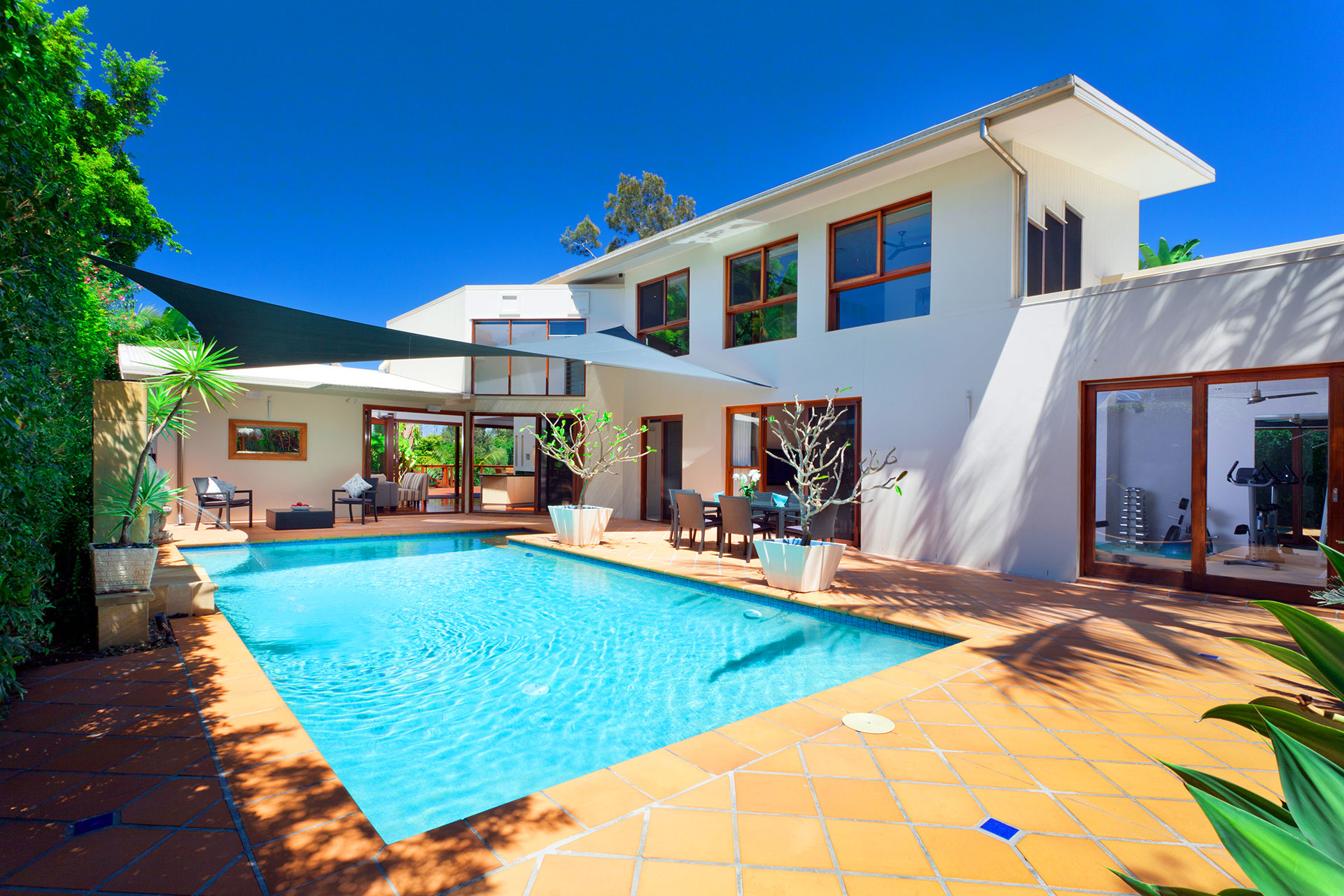
A lot of pools look good in photos. Smooth finishes, clean lines, sparkling water. But photographs don’t tell you how a pool drains after a storm, whether the shell will develop stress cracks in five years, or if the equipment pad was laid out by someone who actually understands serviceability.
A genuinely good pool build is mostly invisible. It lives in the decisions nobody brags about.
Site Preparation Matters More Than the Pool Itself
The most expensive pool finish in the world can’t compensate for a poorly prepared base. Soil conditions, drainage patterns, and ground stability determine whether a pool shell settles evenly or develops structural stress over time.
Before any excavation begins, the site needs proper evaluation. Expansive soils that shift with moisture changes, high water tables, and buried organic matter all create problems that surface years after the build is complete. Good contractors identify these conditions early and address them in the design rather than hoping they won’t matter.
Skipping this step is where a lot of low-bid builds eventually cost owners far more than they saved.
Shell Construction Isn’t Just About Material Choice
The fiberglass versus gunite debate runs endlessly in pool forums. Both materials build excellent pools when used correctly and problematic ones when they’re not. The method matters less than the execution.
For gunite pools, consistent shell thickness, proper rebar spacing, and adequate cure time before plastering are the variables that determine long-term integrity. Rushing any of these introduces structural vulnerability that shows up years later as cracking, delamination, or water loss.
For fiberglass, installation quality, backfill material, and bracing during the fill process determine whether the shell maintains its shape correctly over decades of use.
Equipment Selection Is a Long Game
Undersized pumps. Inadequate filtration. Heaters installed without proper gas line sizing. These are the choices that create years of frustration after the build is complete. Good equipment selection accounts for:
- Pool volume and the actual turnover rate required
- Bather load and local climate conditions
- Future additions like heating, water features, or automation
- Ease of access for routine maintenance and eventual replacement
An equipment pad designed for serviceability, with enough clearance to actually work on each component, saves significant time and money over the life of the pool.
The Details That Don’t Make the Brochure
Proper bonding and grounding of all metal components. Adequate skimmer placement for the prevailing wind direction. Return jet positioning that creates real circulation rather than cosmetic flow. Appropriate coping height relative to deck drainage. None of these appear in a sales presentation. All of them determine whether a pool works the way it should ten years from now.
A good pool build is less about aesthetics and more about the discipline to get the unglamorous details right. Those details are what separate a pool that ages gracefully from one that slowly becomes a headache.