


CALL US NOW!
973-506-0060
CALL US NOW!
973-506-0060
This Is Why Your Pool Turns Green 48 Hours After Treatment
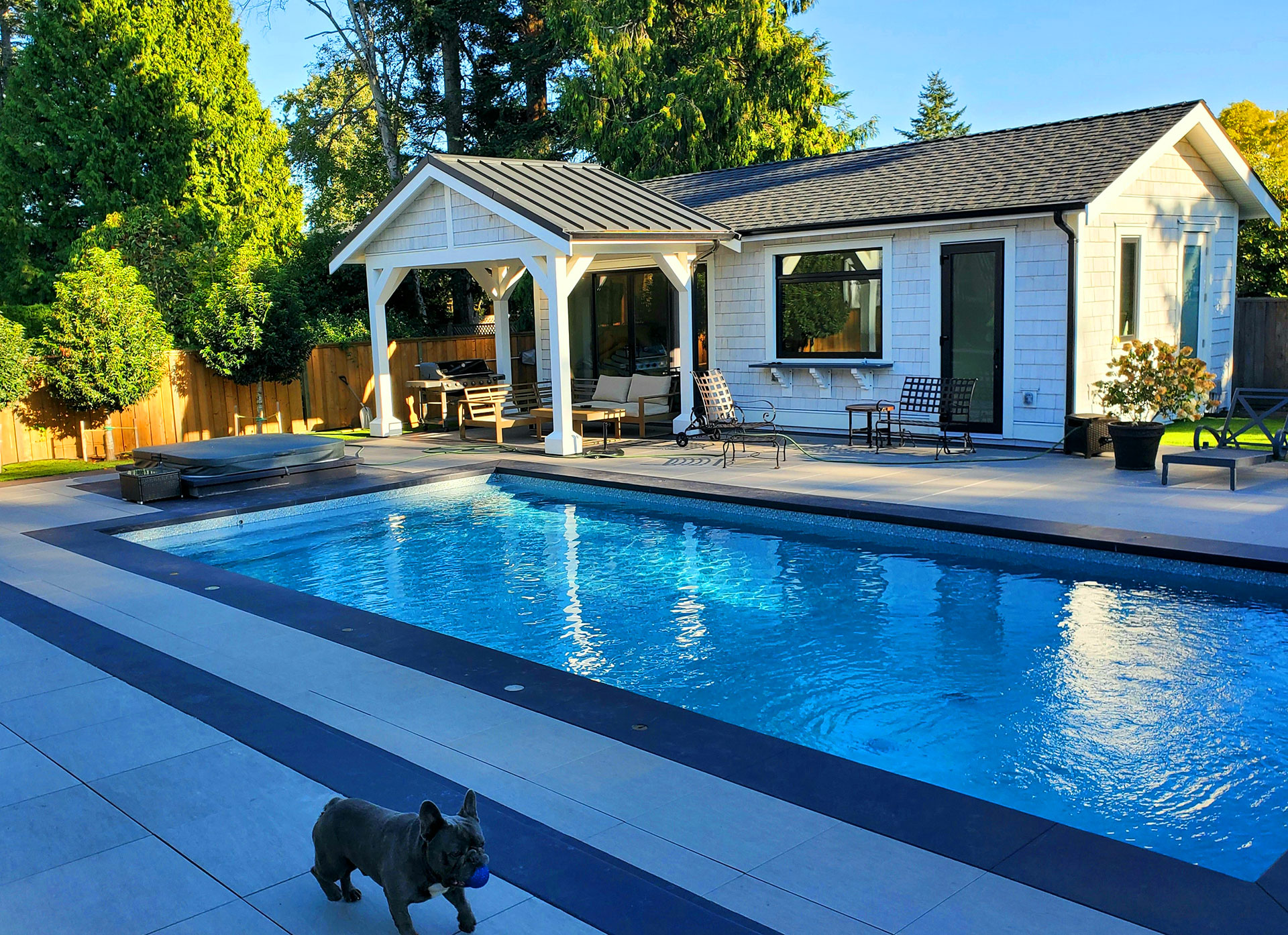
You shocked the pool. You added algaecide. The water looked almost clear by evening. Then two days later, you’re staring at something that resembles a swamp again. It’s one of the most frustrating experiences in pool ownership, and it happens more often than most people expect.
The short version: treating visible algae without addressing why it grew in the first place is a temporary fix at best.
You Treated the Symptom, Not the Cause
Green water is the result of algae growth. Algae grow when conditions allow it to. Shock kills what’s already there, but if the underlying chemistry stays imbalanced, new growth picks up almost immediately where the old batch left off.
The most common culprits behind recurring green water are:
- Chronically low free chlorine levels that drop below the minimum effective threshold
- High phosphate levels, which feed algae even when chlorine is present
- Poor circulation leaving dead zones where sanitizer never reaches
- pH that’s drifted too high, which makes chlorine far less effective than the test reading suggests
Treating the water without correcting these factors is like mopping a floor under a running tap.
Phosphates Are Often the Hidden Driver
Most pool owners test for chlorine, pH, and alkalinity. Far fewer tests for phosphates. This is a significant oversight.
Phosphates enter the water through leaves, lawn fertilizers, rainwater runoff, and even some pool chemicals. They’re inert and harmless to swimmers, but algae consume them enthusiastically. A pool with elevated phosphate levels will grow algae faster than chlorine can reasonably manage, especially in summer heat.
If your pool keeps going green despite correct chlorine levels, test phosphates. A phosphate remover used alongside your regular treatment often breaks the cycle entirely.
Your Circulation Might Be Working Against You
A shock treatment only reaches water that actually circulates past the sanitizer. Pools with undersized pumps, clogged filters, poorly aimed return jets, or simply too few running hours per day develop stagnant pockets. Algae colonizes those areas first and spreads from there.
Run your pump for at least eight hours during treatment, ideally overnight when solar degradation of chlorine isn’t a factor. Angle return jets downward to encourage full-depth circulation rather than surface movement only.
The Fix That Actually Holds?
Rather than reaching for shock every few days, spend twenty minutes diagnosing the actual condition of the water. Test phosphates. Check that your pH sits between 7.2 and 7.6. Inspect your filter for channeling or saturation. Confirm your pump runs long enough daily to turn the full water volume over at least once.
Green water is almost always a symptom of something systemic. Fix the system, and the water takes care of itself.