


CALL US NOW!
973-506-0060
CALL US NOW!
973-506-0060
Pool Renovations: How to Transform Your Backyard Oasis with Smart Upgrades
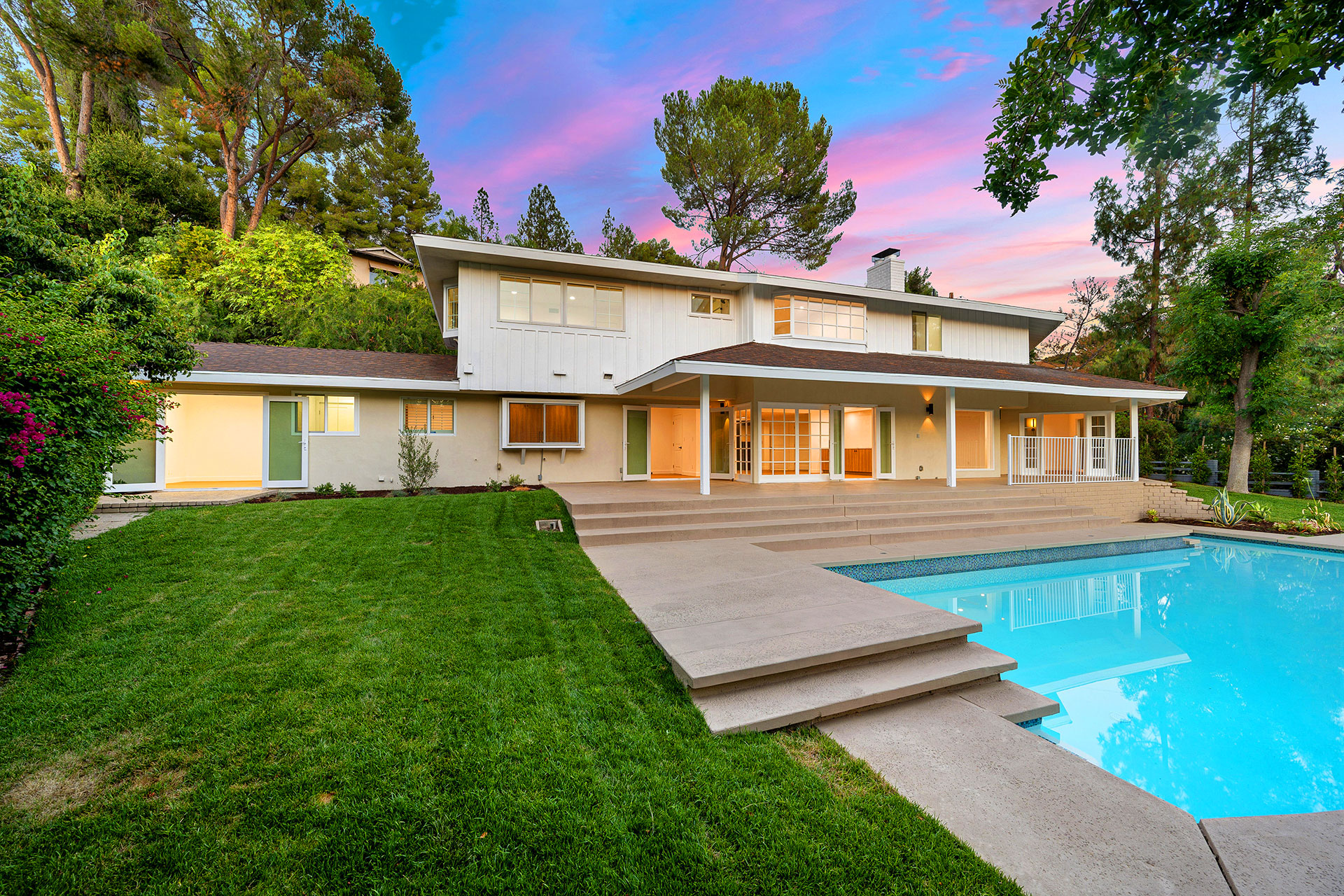
Your swimming pool represents one of the most significant investments in your home’s outdoor living space, and over time, even the most well-maintained pools begin to show their age. Whether you’re dealing with outdated aesthetics, worn surfaces, or inefficient equipment, pool renovations can completely transform your backyard oasis while increasing your property value and reducing long-term maintenance costs. The key lies in understanding which upgrades will deliver the most impact for your specific needs and budget.
Essential Pool Renovations That Transform Your Swimming Experience
Pool renovations encompass a wide range of improvements, from simple cosmetic updates to complete structural overhauls. The most common renovation projects include resurfacing the pool interior, updating tile and coping, modernizing equipment, and enhancing safety features. Each of these improvements serves both functional and aesthetic purposes.
Resurfacing stands as the foundation of most renovation projects. Over time, plaster surfaces develop cracks, stains, and rough patches that not only look unsightly but can also harbor algae and bacteria. Modern surfacing options like pebble finishes, quartz aggregates, or glass tile provide superior durability and stunning visual appeal compared to traditional plaster.
Equipment upgrades represent another crucial aspect of pool renovations. Replacing an aging pump with a variable-speed model can reduce energy costs by up to 70%, while new filtration systems improve water clarity and reduce chemical usage. Smart pool automation systems allow you to control lighting, heating, and cleaning cycles from your smartphone, adding convenience while optimizing energy efficiency.
Planning Your Pool Renovation Project for Maximum Value
Successful pool renovations require careful planning and prioritization. Start by conducting a thorough assessment of your pool’s current condition, identifying both immediate needs and long-term goals. Consider factors like the pool’s age, frequency of use, and your budget constraints when determining the scope of your renovation.
Priority Checklist for Pool Renovations:
- Safety concerns (broken tiles, damaged coping, electrical issues)
- Structural problems (leaks, cracks in the shell)
- Equipment failures (pumps, filters, heaters)
- Surface deterioration (rough plaster, staining)
- Aesthetic upgrades (lighting, water features, decking)
Understanding what makes a quality renovation starts with recognizing the fundamentals of pool construction. When evaluating potential contractors or planning your project scope, it’s essential to understand what actually determines a good pool build, as these same principles apply to renovation work. The best renovations address both the visible elements and the underlying systems that ensure long-term performance and reliability.
Modern Design Trends in Pool Renovations
Today’s pool renovations often incorporate contemporary design elements that extend the swimming season and enhance the overall outdoor living experience. LED lighting systems offer programmable color options that can transform your pool’s ambiance for evening entertainment. These energy-efficient lights use 80% less electricity than traditional incandescent bulbs while lasting significantly longer.
Water features have evolved beyond simple fountains to include sophisticated elements like deck jets, laminar flows, and vanishing edges. These additions create visual interest and soothing soundscapes while potentially increasing your home’s resale value. Fire features, such as fire bowls or linear fire pits adjacent to the pool, create dramatic focal points and extend the usability of your outdoor space into cooler months.
Natural stone coping and decking materials have gained popularity in recent renovations, offering slip-resistant surfaces that stay cooler underfoot than traditional concrete. Materials like travertine, limestone, and textured concrete overlays provide both safety and sophistication while complementing various architectural styles.
Cost Considerations and ROI for Pool Renovations
Pool renovation costs vary widely depending on the scope of work, regional labor rates, and material selections. Basic resurfacing projects might start around $5,000, while comprehensive renovations including new equipment, decking, and water features can exceed $50,000. Understanding the return on investment for different improvements helps prioritize your renovation budget effectively.
Energy-efficient equipment upgrades typically offer the fastest payback through reduced utility costs. Variable-speed pumps, solar heating systems, and LED lighting can significantly lower operating expenses while qualifying for utility rebates in many areas. These improvements often pay for themselves within 2-3 years through energy savings alone.
Aesthetic improvements like resurfacing and tile work may not provide immediate financial returns but significantly enhance your daily enjoyment and can make your property more attractive to potential buyers. Real estate experts estimate that a well-maintained pool can add 5-8% to your home’s value, with recently renovated pools commanding even higher premiums.
Financing Options for Your Renovation
Several financing options exist for pool renovations, including home equity loans, personal loans, and specialized pool financing programs. Many contractors offer financing partnerships that can spread costs over time with competitive interest rates. Consider the total cost of financing when budgeting for your project, and explore whether combining multiple improvements into a single renovation might provide better value than staging work over several years.
Selecting the Right Contractor for Pool Renovations
Choosing a qualified contractor represents one of the most critical decisions in your renovation journey. Look for companies with specific experience in pool renovations rather than general contractors who occasionally work on pools. Verify licenses, insurance coverage, and check references from recent projects similar to yours.
Request detailed proposals that clearly outline the scope of work, materials to be used, project timeline, and payment schedule. Be wary of significantly low bids that might indicate cut corners or the use of inferior materials. Quality pool renovations require skilled craftsmanship and appropriate materials to ensure lasting results.
Questions to Ask Potential Contractors:
- How many similar renovations have you completed in the last year?
- What warranty do you provide on materials and workmanship?
- Can you provide a detailed timeline with milestone dates?
- How do you handle unexpected issues or change orders?
- What measures do you take to protect my property during construction?
Timing Your Pool Renovation for Minimal Disruption
Strategic timing of pool renovations can minimize inconvenience and potentially reduce costs. Late fall and winter months often represent the ideal renovation period in many climates, as pools see less use and contractors may offer off-season pricing. This timing also ensures your pool is ready for the following swim season.
Most renovation projects require draining the pool completely, which can take several days depending on local regulations for water disposal. Factor in curing times for new plaster or other surface materials, which typically require 7-30 days before the pool can be refilled and chemically balanced. Plan for a total project timeline of 2-8 weeks depending on the renovation scope.
Preparing for the Renovation Process
Proper preparation helps ensure a smooth renovation process. Remove or secure pool furniture, toys, and equipment before work begins. Discuss access routes with your contractor to minimize landscape damage, and establish clear communication protocols for updates and decision-making during the project.
Consider the impact on your household during construction, particularly if you have young children or pets. Establish safety barriers and discuss security measures with your contractor to prevent unauthorized access to the work area.
Maintaining Your Investment After Pool Renovations
Protecting your renovation investment requires proper maintenance from day one. New surfaces need specific care during the initial break-in period, including careful chemical balancing and brushing schedules. Your contractor should provide detailed maintenance instructions specific to your new materials and equipment.
Establish a regular maintenance routine that includes weekly water testing, proper chemical balance, and equipment inspections. Consider professional maintenance services if you lack the time or expertise to maintain optimal conditions. Proper care can extend the life of your renovation by years or even decades.
Pool renovations represent a significant opportunity to enhance your outdoor living space, improve energy efficiency, and increase property value. By carefully planning your project, selecting quality materials and contractors, and maintaining your investment properly, you can transform an aging pool into a stunning centerpiece that provides years of enjoyment. Whether you’re addressing necessary repairs or pursuing aesthetic upgrades, thoughtful renovations deliver both immediate satisfaction and long-term value for your home.