


CALL US NOW!
973-506-0060
CALL US NOW!
973-506-0060
Pool House Construction: How to Transform Your Backyard Into a Luxury Retreat
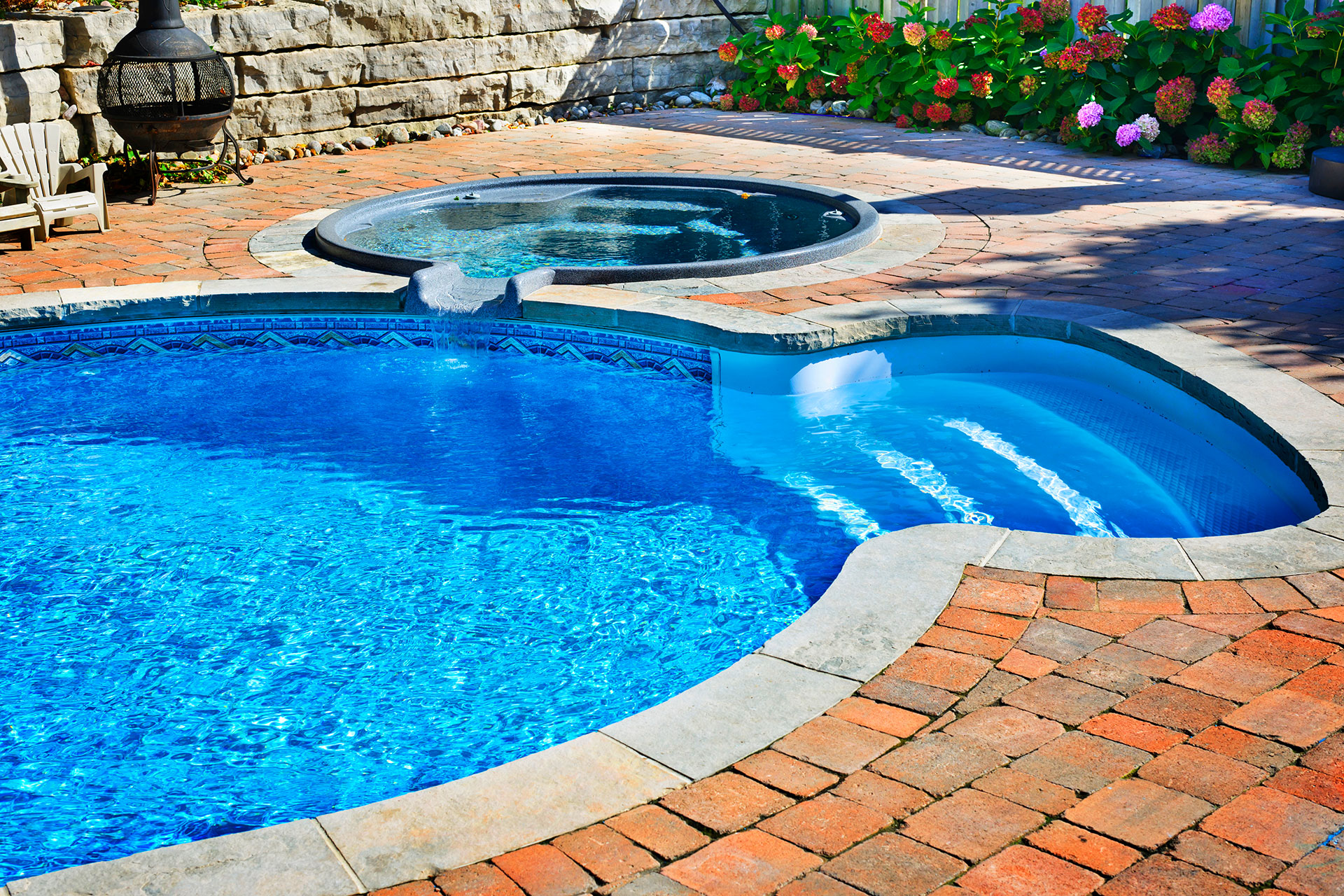
Transforming your backyard into a luxurious retreat starts with understanding the intricacies of pool house construction. Whether you envision a simple changing room or a fully equipped entertainment pavilion, building a pool house requires careful planning, strategic design choices, and attention to both functional and aesthetic details that will complement your outdoor living space for years to come.
Understanding Pool House Construction Basics
Pool house construction involves creating a dedicated structure that serves as a functional extension of your swimming pool area. These versatile buildings can range from modest cabanas to elaborate guest houses, each designed to enhance your poolside experience while adding significant value to your property.
The foundation of any successful pool house project begins with determining its primary purpose. Will it serve as a simple storage area for pool equipment and towels? Or are you envisioning a complete entertainment space with a kitchen, bathroom, and lounge area? Your intended use directly impacts the complexity of construction, required permits, and overall budget.
Local building codes and zoning regulations play a crucial role in pool house construction. Most municipalities require permits for structures exceeding certain square footage thresholds, typically around 120 square feet. Additionally, setback requirements, height restrictions, and utility connections must all comply with local ordinances to avoid costly delays or modifications.
Essential Design Considerations for Your Pool House
The architectural style of your pool house should harmonize with both your main residence and the surrounding landscape. A cohesive design creates visual flow and enhances your property’s overall appeal. Consider matching rooflines, exterior materials, and color schemes to establish this connection.
Size and layout planning requires balancing your wish list with practical constraints. Key factors to consider include:
- Available yard space and required setbacks from property lines
- Proximity to the pool and main house for convenient access
- Natural traffic flow patterns around your outdoor space
- Views from both inside the pool house and from your main residence
- Solar orientation for natural lighting and temperature control
When planning your pool house alongside custom pool design considerations, it’s essential to think about how both structures will work together to create a cohesive outdoor environment. The placement and orientation of your pool house can dramatically impact the functionality and aesthetic appeal of your entire backyard oasis.
Types of Pool Houses and Their Construction Requirements
Open-Air Pavilions
Open-air structures represent the simplest form of pool house construction. These pavilions typically feature a roof supported by posts or columns, providing shade without enclosed walls. Construction costs remain relatively low since you’re avoiding complex electrical systems, plumbing, and climate control.
The foundation for an open pavilion usually consists of concrete footings at each support post, making this an ideal option for DIY-minded homeowners with basic construction skills. However, even these simple structures benefit from professional design to ensure proper roof pitch for water drainage and structural integrity during storms.
Enclosed Pool Houses
Fully enclosed pool houses offer year-round functionality and privacy but require more extensive construction planning. These structures need proper insulation, ventilation, and often include electricity and plumbing connections. The construction process mirrors that of building a small home, complete with foundation work, framing, roofing, and finishing.
Window placement becomes critical in enclosed designs to maintain visual connections with the pool area while providing adequate natural light. Consider installing large sliding or folding glass doors that can open completely during warm weather, effectively transforming your enclosed space into an open-air pavilion.
Combination Structures
Many homeowners opt for hybrid designs that combine open and enclosed spaces. A popular configuration includes an open lounging area with an attached enclosed section for changing rooms and storage. This approach maximizes functionality while managing construction costs by limiting the fully finished square footage.
Critical Infrastructure and Utilities
Electrical systems in pool house construction require careful planning to support your intended uses. Basic lighting and outlets might suffice for simple structures, but entertainment-focused designs need capacity for appliances, audio-visual equipment, and potentially heating or cooling systems.
Plumbing considerations extend beyond just adding a bathroom. Many pool houses benefit from:
- Outdoor showers for rinsing off before and after swimming
- Wet bars or kitchen sinks for entertaining
- Proper drainage systems to handle water from wet swimsuits
- Hot water heaters sized appropriately for your needs
Climate control options vary based on your geographic location and intended use patterns. In moderate climates, ceiling fans and strategic window placement might provide sufficient comfort. However, year-round use in extreme temperatures necessitates proper HVAC systems, adding both construction complexity and ongoing operational costs.
Material Selection for Durability and Style
Choosing the right materials for pool house construction significantly impacts both longevity and maintenance requirements. The proximity to water and chemicals creates a uniquely challenging environment that demands moisture-resistant and durable materials.
Roofing materials should withstand not only weather but also potential chemical exposure from pool water spray. Metal roofing, architectural shingles, and tile all offer excellent durability, though costs and aesthetic preferences vary widely. Consider the roof’s visibility from your main house when making this selection.
Flooring options must handle wet feet, dripping swimsuits, and frequent cleaning. Popular choices include:
- Sealed concrete with decorative finishes for durability and easy maintenance
- Porcelain or ceramic tile for water resistance and design flexibility
- Luxury vinyl plank for a wood look without moisture concerns
- Natural stone for premium aesthetics and longevity
Pool House Construction Costs and Budgeting
Understanding the financial investment required for pool house construction helps set realistic expectations and guide design decisions.
Labor typically represents 40-60% of total construction costs, making DIY approaches tempting for budget-conscious homeowners. However, the complexity of permits, structural engineering, and utility connections often justifies professional involvement, especially for enclosed structures.
Budget Planning Tip: Always include a 10-20% contingency in your pool house construction budget for unexpected issues or upgrades that arise during the building process.
Hidden costs frequently surprise homeowners during pool house construction projects. These might include:
- Excavation and site preparation, especially on sloped lots
- Utility line extensions from your main house
- Landscaping restoration after construction
- Furniture and décor to make the space functional
- Increased property taxes from the improvement
Permits and Legal Considerations
Navigating the permit process for pool house construction requires patience and attention to detail. Start by visiting your local building department to understand specific requirements in your area. Most jurisdictions require detailed construction plans, including architectural drawings, electrical layouts, and plumbing schematics.
Homeowners association (HOA) approval often precedes municipal permits in planned communities. HOA architectural review committees typically evaluate proposals for aesthetic compliance with community standards, potentially requiring specific materials, colors, or design elements.
Insurance implications deserve consideration before breaking ground. Adding a pool house increases your property value and replacement costs, necessitating policy updates. Some insurers require additional liability coverage for structures with kitchens or overnight accommodation capabilities.
Construction Timeline and Project Management
Pool house construction typically follows a predictable sequence, though timelines vary based on complexity and weather conditions. Simple pavilions might complete in 2-4 weeks, while fully equipped pool houses often require 3-6 months from permit approval to final inspection.
The construction phases generally proceed as follows:
- Site preparation and foundation work (1-2 weeks)
- Framing and roofing (2-3 weeks)
- Electrical and plumbing rough-in (1-2 weeks)
- Insulation and drywall (1-2 weeks)
- Flooring and finish work (2-3 weeks)
- Final inspections and punch list items (1 week)
Coordinating multiple contractors requires careful scheduling to avoid delays. Establish clear communication channels and regular check-ins to address issues promptly. Consider hiring a general contractor for complex projects to manage subcontractor coordination and maintain construction schedules.
Maximizing Functionality and Comfort
Smart storage solutions transform pool houses from simple structures into highly functional spaces. Built-in benches with hidden storage, wall-mounted organizers, and dedicated areas for pool chemicals and equipment keep your space tidy and efficient.
Technology integration enhances both convenience and entertainment value. Consider pre-wiring for speakers, televisions, and smart home controls during construction. Outdoor-rated equipment ensures longevity in the humid pool house environment.
Privacy features might include strategic landscaping, privacy screens, or window treatments. Balance the desire for seclusion with maintaining sight lines to supervise pool activities, especially important for families with children.
Sustainable and Energy-Efficient Options
Incorporating green building practices into pool house construction reduces environmental impact and operating costs. Solar panels can offset electrical consumption, particularly effective for pool houses with significant energy needs for heating, cooling, or pool equipment.
Water conservation features like low-flow fixtures and greywater systems for landscape irrigation demonstrate environmental responsibility while reducing utility costs. Rainwater collection systems can supplement pool water replenishment or landscape irrigation needs.
Sustainable material choices include reclaimed wood, recycled composite decking, and locally sourced stone. These selections often provide unique character while reducing transportation-related environmental impacts.
Pool house construction represents a significant investment in your property and lifestyle, creating a dedicated space that enhances your outdoor living experience. Whether you choose a simple pavilion or an elaborate entertainment complex, proper planning and quality construction ensure your pool house will provide enjoyment and value for generations to come.