


CALL US NOW!
973-506-0060
CALL US NOW!
973-506-0060
Concrete Pool Construction: What to Expect Before You Build
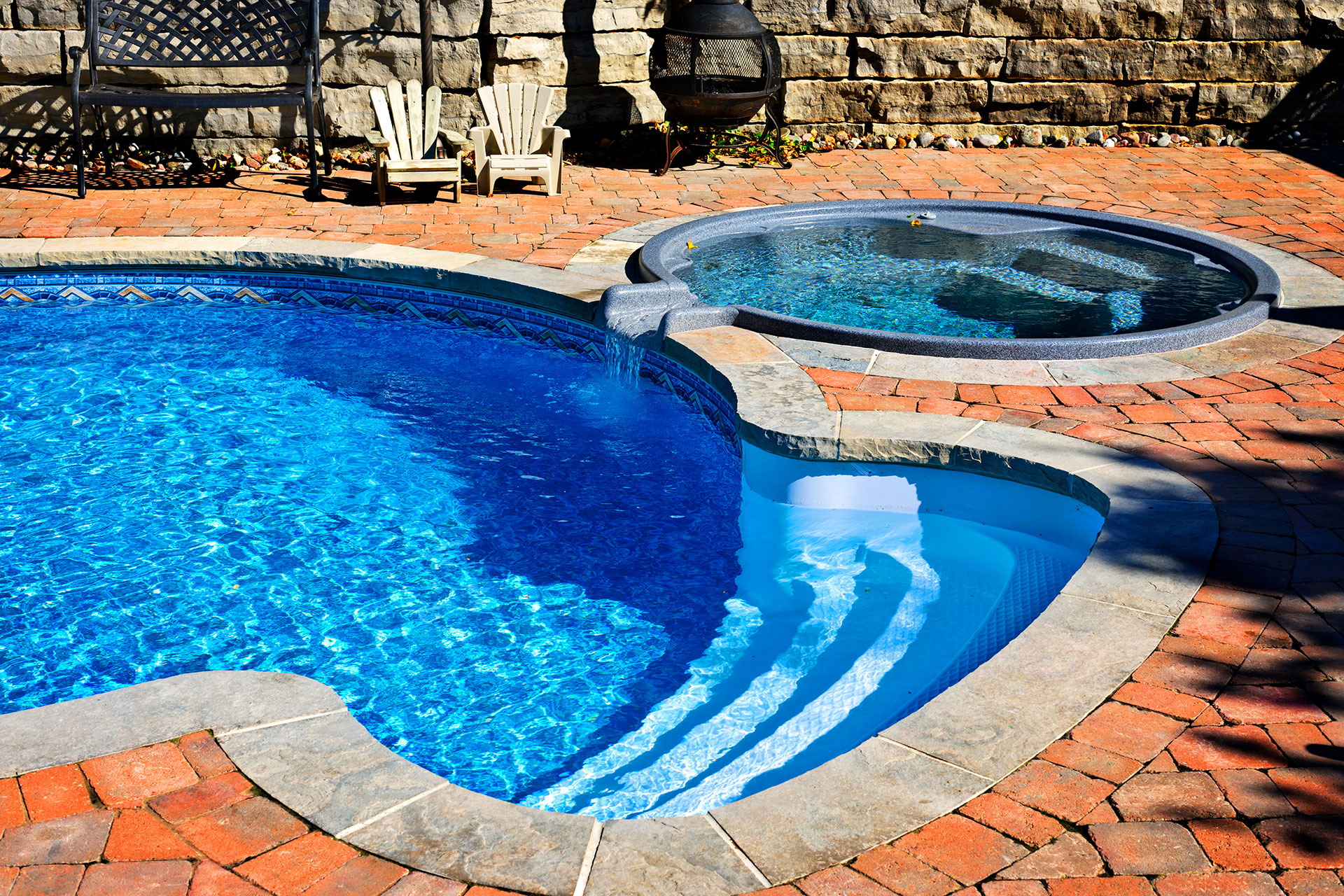
Picture this: a shimmering oasis in your backyard, custom-shaped to fit your wildest design dreams, built to outlast trends and tantrums of weather alike. That’s the magic of concrete pool construction, and it’s why discerning homeowners keep choosing this method over flashier, faster alternatives. Whether you’re imagining a sleek lap pool, a freeform lagoon, or a resort-style retreat with tanning ledges, concrete is the canvas that says yes to nearly everything.
But let’s be honest, building one isn’t a weekend project. It’s an investment of time, money, and planning.
How long does concrete pool construction take?
Concrete pool construction typically takes 8 to 16 weeks from excavation to first swim. The timeline depends on design complexity, permit approval speed, weather conditions, and the curing process, which alone requires 28 days for the shell to reach full strength before plastering and filling can begin.
What Makes Concrete Pools Different?
Concrete pools, often called gunite or shotcrete pools, are built on-site from the ground up. Unlike fiberglass shells that arrive on a truck or vinyl liners stretched over a frame, every concrete pool is a one-of-one structure poured, sprayed, and shaped to your exact specifications.
That flexibility is the headline feature. Want a vanishing edge? A sun shelf with bubblers? A grotto with a waterfall? Concrete says yes. It’s the reason luxury homes and commercial resorts almost exclusively choose this method.
Gunite vs. Shotcrete: A Quick Note
Both are forms of sprayed concrete, but they differ in how water is added. Gunite mixes water at the nozzle during application, while shotcrete arrives pre-mixed. Most modern builders use shotcrete for its density and consistency, but both produce excellent results when applied correctly.
The Step-by-Step Construction Process
If you’ve never watched a concrete pool come to life, the process is genuinely fascinating. Here’s how the typical build unfolds.
- Design and permitting: Engineering drawings are submitted to your local municipality. This phase can take two to six weeks depending on where you live.
- Excavation: Crews dig the hole based on your design. Expect a couple of days of heavy equipment in your yard.
- Steel framework: Rebar is tied into a cage that follows the pool’s contours. This skeleton gives the shell its strength.
- Plumbing and electrical rough-in: Skimmer lines, return jets, drains, and lighting conduits are installed before the concrete goes in.
- Shotcrete application: A high-pressure hose sprays concrete onto the rebar cage, forming the shell. This is the most dramatic day of the build.
- Curing: The shell needs 28 days to cure properly, with daily watering to prevent cracks.
- Tile and coping: Waterline tile and the decorative edge around the pool are installed.
- Decking: Concrete, pavers, travertine, or whatever surface you’ve chosen goes in around the pool.
- Interior finish: Plaster, pebble, or quartz is applied to the inside of the shell. This is what you actually swim against.
- Fill and start-up: The pool is filled, the chemistry is balanced, and the equipment is commissioned.
Pros and Cons Worth Weighing
The Advantages
- Unlimited design freedom: Any shape, any depth, any feature.
- Longevity: A well-built concrete pool can last 50 years or more.
- Property value: Custom concrete pools add meaningful resale appeal.
- Durability: Resistant to punctures, impacts, and most damage.
The Trade-Offs
- Longer build time: Months, not weeks.
- Higher cost: Both upfront and over time.
- Rougher surface: Plaster can be abrasive on feet, though pebble and quartz finishes are smoother.
- More maintenance: Concrete is porous, so it requires more chemicals and attention than fiberglass.
Maintenance Realities After the Build
Owning a concrete pool is a relationship, not a transaction. The porous surface naturally raises pH and harbors algae more easily than nonporous alternatives, which means you’ll spend more time balancing chemistry. Speaking of which, if you’ve ever wondered why your pool turns green 48 hours after treatment, the answer often comes down to phosphates, stabilizer imbalance, or incomplete chlorination, all common headaches for concrete pool owners.
Plan for resurfacing every 10 to 15 years. Plaster eventually wears, stains, or develops rough patches, and refinishing keeps the pool looking fresh.
Tips for Choosing the Right Builder
The contractor you pick matters more than almost any other decision. A great design with a mediocre builder becomes a leaky, cracking nightmare. Here’s what to look for.
- At least ten years of local experience with concrete builds specifically.
- A portfolio you can visit, not just photograph.
- References from owners whose pools are five or more years old.
- Clear, itemized contracts with no vague allowances.
- In-house crews rather than a chain of subcontractors with no accountability.
Frequently Asked Questions
Is a concrete pool worth the extra cost?
For homeowners planning to stay long-term or build something truly custom, yes. The longevity and design freedom justify the premium. For budget-conscious buyers or quick installs, fiberglass may be the smarter pick.
Can concrete pools crack?
They can, though properly engineered shells with adequate rebar and correct curing rarely develop structural cracks. Hairline surface cracks in plaster are cosmetic and easily repaired.
How deep can a concrete pool go?
Practically any depth you want. Most residential pools max out around 8 to 9 feet, but diving wells, performance pools, and commercial builds go significantly deeper.
What’s the best interior finish?
Pebble finishes like Pebble Tec offer the best balance of durability, aesthetics, and longevity, typically lasting 15 to 20 years. Quartz is a strong middle option, while traditional plaster is the most affordable but shortest-lived.
Do I need to drain my concrete pool every year?
No, and you shouldn’t. Draining a concrete pool can damage the shell due to hydrostatic pressure. Most pools only need draining every 5 to 7 years for major service.
Can I add features after the pool is built?
Some, like new lighting or automation, can be retrofitted. Structural features like spas, ledges, or water features are far easier and cheaper to include in the original build.
Final Thoughts
Concrete pool construction is the gold standard for a reason. It rewards patience, planning, and the willingness to invest in something built to last decades. From the freedom to design exactly what you want, to the satisfaction of owning a structure that will still be there for your grandkids, the upside is real.
Just go in with eyes open. Budget for the long build, find a builder you genuinely trust, and prepare for the maintenance routine that comes with the territory. Do that, and your backyard becomes the kind of place people don’t want to leave.